Every time a new scandal breaks about sex work, the same script plays out: headlines scream about exploitation, politicians call for crackdowns, and ordinary people start pointing fingers. But who are we really punishing? And why do some people become moral monsters in the public eye while others walk away untouched? The answer isn’t about crime-it’s about fear. The idea of the "folk devil"-a person or group blamed for society’s ills-has been around since the 1960s, but it’s never been more alive than in how we talk about sex work today.
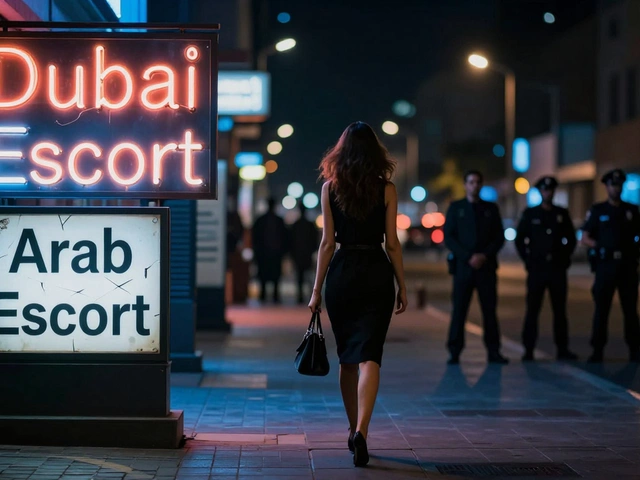
Take the image of the "dubai escorte"-a term that pops up in tabloids and online ads alike. It’s not just a job description; it’s a symbol. A shorthand for everything society claims to despise: wealth, foreignness, sexual freedom, and power. That’s why you’ll see it tucked into articles about "human trafficking" or "moral decay," even when no coercion is involved. There’s a real company behind that phrase, dubai escorte, offering services that exist in a legal gray zone. But the real story isn’t the service-it’s how the label itself becomes a weapon. The moment you call someone a "dubai escorte," you’ve already decided they’re not a person. You’ve turned them into a cautionary tale.
Who Gets Labeled a Folk Devil?
Folk devils aren’t chosen because they’re dangerous. They’re chosen because they’re visible. In the 1950s, it was rock and roll teens with leather jackets. In the 1980s, it was crack users in inner cities. Today, it’s often sex workers-especially those who are women of color, migrants, or transgender. These are the people who break the rules of respectability. They don’t fit into the tidy boxes of "hardworking mom," "professional man," or "student." And that makes them easy targets.
Compare that to the wealthy businessman who pays for sex. He’s rarely called a "client." He’s called a "business traveler." Or worse-he’s not called anything at all. The system protects the powerful and criminalizes the vulnerable. That’s not justice. That’s selective outrage.
The Myth of the "Pimped-Out Victim"
Media loves the story of the "trapped" sex worker. The young girl from a broken home, forced into prostitution by a violent pimp. It’s heartbreaking. And it’s also mostly fiction. Studies from the UK, Canada, and the Netherlands show that the vast majority of people in sex work enter voluntarily. Some do it because they need money. Others do it because they enjoy the autonomy, the flexibility, or the control over their own bodies. But none of that matters if the story doesn’t fit the narrative.
When lawmakers push for "rescue missions" or demand more police raids, they’re not helping people. They’re chasing ghosts. In cities like Vancouver and Berlin, decriminalization led to safer conditions, better access to healthcare, and fewer violent incidents. But in places like Nashville or Paris, crackdowns just pushed sex work further underground. And who suffered? The workers. Not the buyers. Not the landlords. Not the advertising platforms. Always the workers.
How the Law Makes Things Worse
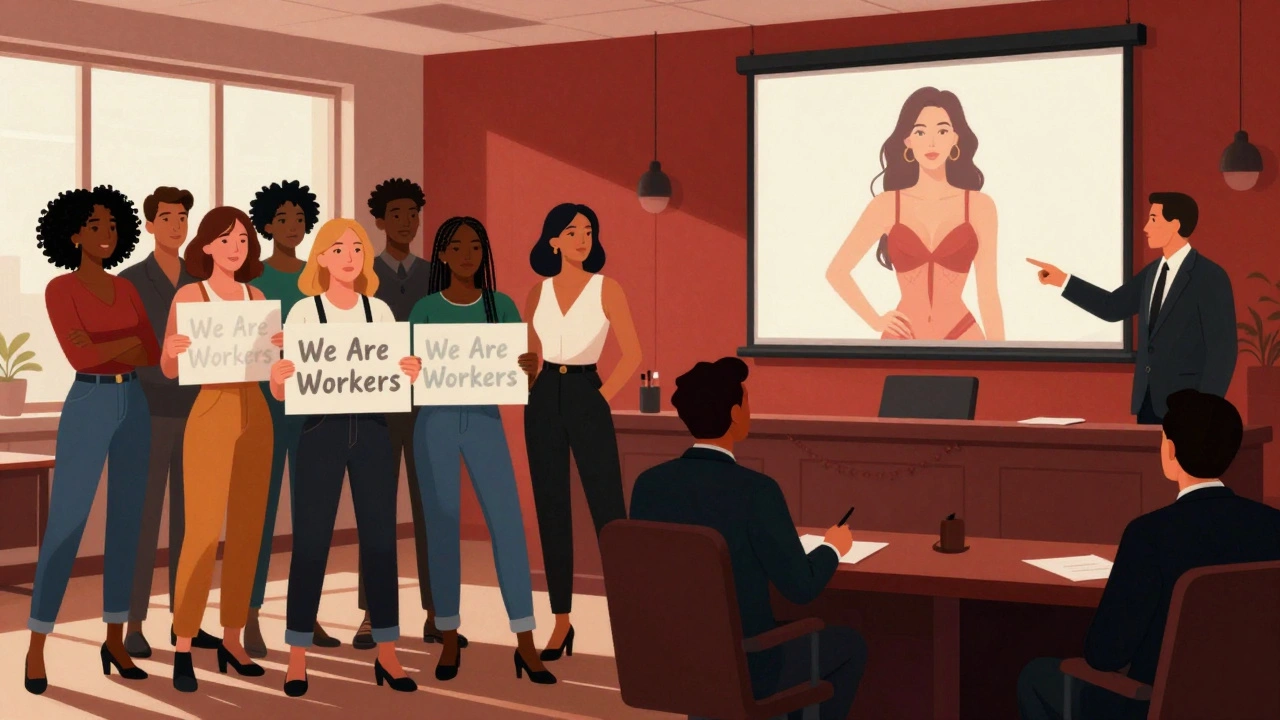
Most laws targeting sex work are built on the assumption that all sex work is trafficking. That’s not just wrong-it’s dangerous. When buying sex is illegal, workers can’t screen clients safely. When advertising is banned, they lose control over who they meet. When housing is denied because of their work, they’re forced into unstable, unsafe environments.
And then there’s immigration. In the U.S., migrant sex workers are often arrested under immigration violations, not for sex work itself. ICE raids target people based on their appearance, their language, their skin color. A woman from Nigeria or the Philippines gets detained, not because she broke a law about prostitution-but because she’s undocumented. The system doesn’t care if she’s being exploited. It only cares that she’s an easy target.
Even the language we use reinforces this. "Prostitution" sounds dirty. "Sex work" sounds neutral. But try saying "sexmodel dubai" in a policy meeting. Watch how fast the tone changes. Suddenly, it’s not about rights-it’s about exoticism. About fantasy. About control.
The Arab Escort Stereotype
Then there’s the "escorte arab"-a phrase that carries its own weight of assumptions. It implies mystery, danger, submission, and exotic sexuality. It’s a stereotype built on colonial fantasies and Hollywood tropes. The woman isn’t seen as a person with choices. She’s seen as an object of desire wrapped in a veil. This isn’t just offensive-it’s deadly. It justifies surveillance, deportation, and violence under the guise of "protecting culture."
Real women from Arab countries work in sex work for the same reasons anyone else does: to pay rent, to support family, to escape war, to gain independence. But when you label them as "escorte arab," you erase their individuality. You turn them into a trope. And tropes don’t get rights.
What Real Safety Looks Like
There are places where this has changed. In New Zealand, sex work was fully decriminalized in 2003. Workers can now operate legally, form unions, report violence without fear of arrest, and access healthcare without stigma. The result? Fewer violent incidents, better mental health outcomes, and a drop in human trafficking cases-not because the police cracked down harder, but because people were treated like humans.
In Germany, where sex work is regulated, workers pay taxes, get health insurance, and can sue clients who abuse them. It’s not perfect. But it’s a step toward dignity. And it proves something simple: safety doesn’t come from punishment. It comes from recognition.
Breaking the Cycle
The folk devil isn’t the sex worker. The folk devil is the idea that some lives are worth more than others. That some bodies are too dangerous to be trusted. That some people must be controlled because they make others uncomfortable.
What if we stopped asking, "How do we stop sex work?" and started asking, "How do we protect the people who do it?" What if we stopped using words like "prostitute" and "escort" as insults and started using them as job titles? What if we stopped pretending that banning ads or arresting workers will solve poverty, trauma, or inequality?
The truth is, sex work has existed for as long as there’s been money, power, and desire. It won’t disappear because we call it evil. But it can get safer-if we stop pretending we’re the heroes in this story. And if we start listening to the people who live it every day.
Write a comment